Fado Mãnouche — band
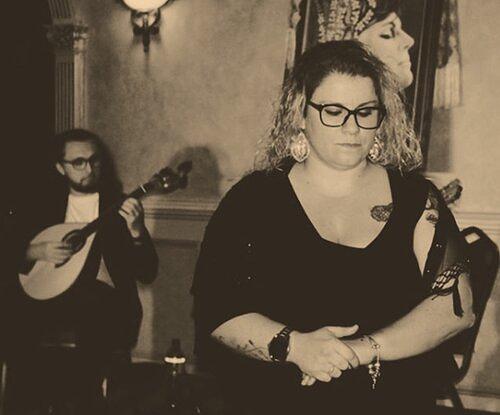
Turn down the lights, put down your phone and sit back. We are about to take a journey to Lisbon, Portugal- no plane ticket needed. Welcome to the sometimes romantic, sometimes emotional, and always passionate world of Fado. Featuring the incredible vocals of Juliana Vitor and Cordeone, our two fadistas; the rhythmic pump of the viola de fado orchestrated by Eduardo Mercuri; and starring the golden child of Fado: the Portuguese guitar, strummed to perfection by Cordeone; with an occasional visit from the accordion, for an added element of surprise. A soulful musical voyage into the maze-like streets of Lisbon, this authentic Traditional Fado ensemble will have you yearning along with the cry of the Portuguese guitar and singing poems of saudade that you never heard before. The intimate setting only enhances the personal connection to the music- no need for fancy stage setups or the likes. In Fado, it’s all about the music. Cordeone & his Traditional Fado trio will take you to a simpler time, where music was meant to not only be heard, but also deeply felt. Traditional Fado, which usually takes place in cave-like settings (wine cellars, underground restaurants, grottos) or similarly intimate environments, requires just 3 instruments: the Portuguese guitar, played with false, taped-on fingernails; the Viola do Fado or classic guitar; and acoustic vocals. The songs are actually poems constructed in specific Fado meter, and multiple fadistas sing in rotation during the set. Cordeone and his group sing a variety of traditional Fado poems as well as originals from Portuguese poet Fernando Pessoa, colleague Elsa Magalhães, and Cordeone himself. The performance often starts with a guitarrada, an instrumental Fado highlighting the intricacy of the 12-string Portuguese guitar, before the Fadista is invited on stage. Juliana Vitor and Cordeone both sing acoustically if the space allows, and delight audiences with a duet and desgarradas (Fado battles), offering a compelling contrast of male and female voicings during the show. Cordeone’s Traditional Fado follows the constructs of authentic Portuguese Fado, maintaining a kind of showmanship and professionalism reminiscent of Classical and Operatic music. A certain etiquette is exemplified and expected from the audience during the show. It is customary for a Fadista and the musicians to stop singing or playing if the audience is found to be too noisy, resuming only once silence is reestablished. Traditional Fado is quite an experience and an exquisite addition to any intimate performance series.