Heshima Moja — artist
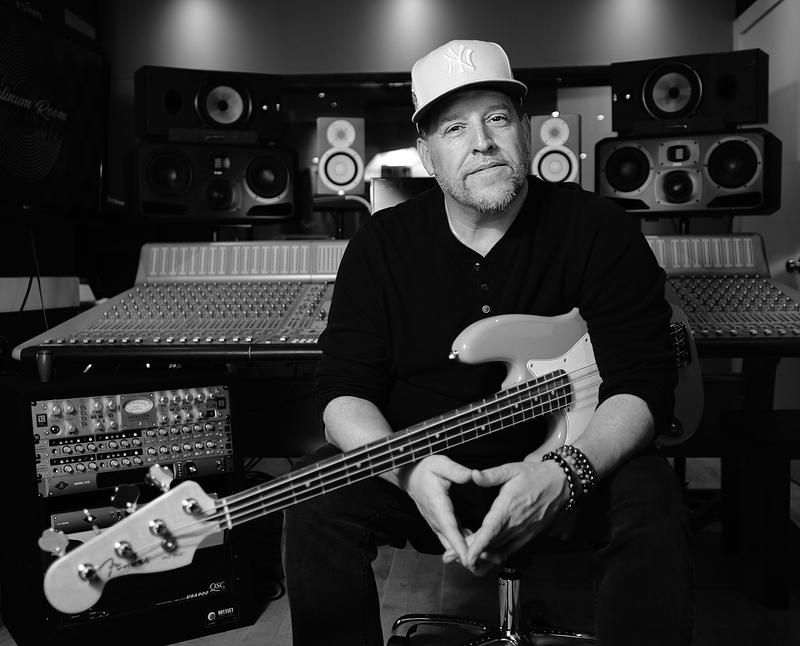
Heshima Moja is a dynamic Bassist, Vocalist, Composer, Sonic Architect and Sonic Alchemist, who walks in a world where music, art and activism intersect. Heshima believes that art should be used as a tool to aid in the development of critical consciousness, to inspire people to imagine new ways of being in the world and to envision the creation of new realities. Heshima has recorded and shared the stage with some of the greatest names in the music industry which represent a broad cross section of cultural expression, including R&B legends Patti Labelle, Hi- Five; Latin music superstars La India, Paoili Mejias, Grammy-winning Latin Jazz trombonist and composer William Cepeda; Indian Sitar master Shafat Khan, the iconic poet, playwright and scholar Amiri Baraka, Jazz icons Arturo O’Farrill, Avery Sharpe, Fred Ho, Onaje Allan Gumbs, and Salim Washington, Senegalese Superstars Pape Diouf, Elage Diouf, as well as Hip Hop Pioneers Quest Love of the Roots, and Guru to name a few. As a contemporary composer and musician Heshima draws on various musical idioms in addition to inspiration from literature, visual art, dance, cultural narratives, and aural traditions from various diasporic communities to explore themes of social justice through the lenses of identity, migration, cultural memory, cultural narratives, and healing from ancestral trauma. With a strong foundation in the tradition of black classical music (often referred to as jazz) the black sacred musical traditions, folkloric traditions from the Puerto Rican cultural heritage, and the West African and Southern African traditions of his musical elders, combined with the contemporary influences of Hip Hop culture, soul music and spoken word serve as the foundation for the way that Heshima conceptualizes scholarship, composition, performance as both physical and discursive sites of healing and resistance. Part of the purpose of my work is to invite audiences to simultaneously journey through musical traditions that form the musical canons of multiple human diasporas while utilizing a cross idiomatic approach to allow both performers and audiences to join in imagining futures. “A question that continuously I seek to answer in my exploration and creation of work is, how do we preserve cultural memory while still allowing contemporary narratives to evolve independent of the experiences of the past?”. Through my work, composing for theatre, film, musical artists, choreographers, and experimental projects, I employ many different approaches to invite audiences to engage in the creation of communal/ritual experience”.